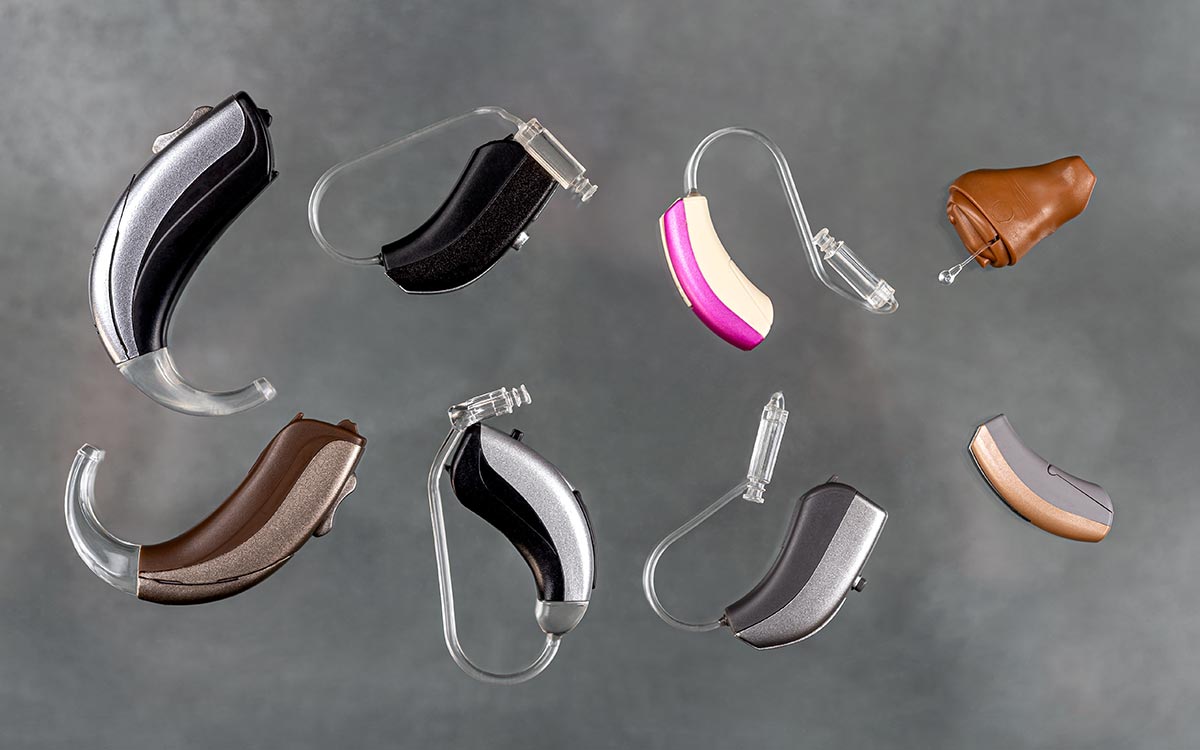
With so many options in terms of dimensions, style, and technology, the process of picking a hearing aid can feel quite intense. Fortunately, there is a perfect hearing solution for every individual, regardless of their lifestyle or the severity of their hearing loss. The key is simply choosing the one that fits you best.
Understanding the distinctions among the most common types of hearing aids can help you feel more informed and confident as you explore your options. In this analysis, we glance at current styles and the unique characteristics that define them.
The ITC (In-the-Canal) Style Detailed
What they are:
An ITC device is engineered to rest partially within the ear canal while showing just an inconspicuous section in the outer ear area.
Key Selling Features:
- Less apparent than standard full-size models
- Specifically contoured to the wearer’s ear for an optimal fit
- Appropriate for mild to moderate hearing loss
ITC devices offer an excellent balance between visibility and functionality, making them an ideal choice for first-time users.
Exploring IIC (Invisible-in-Canal) Options
The Idea:
These are the tiniest custom-made units on the market today. This style fits deep in the ear for a completely covert appearance.
Why they are popular:
- Highest degree of discretion for the wearer
- Microphone placement helps mimic the ear’s natural sound collection
- Lightweight and comfortable
The small form factor of IIC models makes them perfect for mild hearing loss and anyone who values a stealthy hearing solution.
In-the-Ear (ITE) Hearing Aids
What they are:
An ITE hearing aid fits snugly within the outer ear, available in both full-shell and half-shell configurations. These are custom-fabricated for a precise fit based on your ear’s anatomy.
Value Offering:
- A slightly larger frame accommodates advanced tech and more powerful batteries
- Provides a more manageable experience for those who struggle with tiny accessories
- Effective for an extensive spectrum of hearing impairments, ranging from mild to severe
ITE models are frequently chosen by people who want a simple, all-in-one design without behind-the-ear components.
Traditional Behind-the-Ear (BTE) Units
Technical Data:
BTE hearing aids rest comfortably behind the ear. Audio moves into the ear canal through an internal tube or custom earmold.
Reasons for Choosing:
- Regarded as one of the most reliable and sturdy designs available
- Can be set to help users with everything from mild to profound loss
- Provide room for advanced features and rechargeable batteries
If you need a robust hearing aid that is easy to operate and offers high-power output, the BTE style is ideal.
RIC (Receiver-in-Canal) Overview
Component Structure:
In an RIC model, the speaker is detached from the main housing and placed inside the canal via a thin wire.
Why they are popular:
- Provides a remarkably clear and lifelike listening experience
- Offers a very low-profile appearance that is comfortable for almost everyone
- Flexible enough to treat an extensive number of hearing impairments
Thanks to their ease and aesthetic beauty, RIC devices have become an industry standard.
Extended-Wear Device Facts
Introduction:
These devices are inserted deep in the ear canal by a hearing professional and can stay in place for several weeks at a time.
Why individuals choose them:
- Eliminates the need to put in or take out the device every day
- Offers an entirely covert solution for hearing health
- You can move about your whole life—including sports and rest—while wearing them
If you want an auditory solution that requires zero daily thought, the extended-wear style is perfect.
Smart Hearing Aids with Bluetooth
Tech Specs:
Bluetooth-ready hearing aids enable an electronic bridge between your hearing technology and your smart devices.
Digital Benefits:
- Allows for sharp phone calls and media streamed directly to the device
- Modify settings via a mobile tool
- Enhanced ease for modern lifestyles
This wireless technology is located in most modern behind-the-ear and in-the-canal models.
Surgically Implanted Middle-Ear Systems
Technical Definition:
An implantable solution that works by vibrating the tiny bones inside the ear to provide amplified audio.
Why people choose them:
- Serves as a critical alternative for those who find no success with traditional amplification
- Comfortable alternative for chronic ear issues related to traditional devices
These devices require a thorough medical review by an ear, nose, and throat expert.
Choosing the Right Style for You
Since each hearing aid design has distinct strengths, the best choice is based on your specific hearing needs, your daily activities, and your aesthetic goals. An audiology professional is your best resource for comparing these options and finding a match for your daily routine.
Start moving toward a world of better sound by arranging an appointment with a hearing specialist. This simple action is the foundation for improved hearing and better connections with those around you.
Sources:
https://www.mayoclinic.org/diseases-conditions/hearing-loss/in-depth/hearing-aids/art-
20044116
https://www.hearinglife.com/hearing-aids/types
https://www.nidcd.nih.gov/health/hearing-aids
