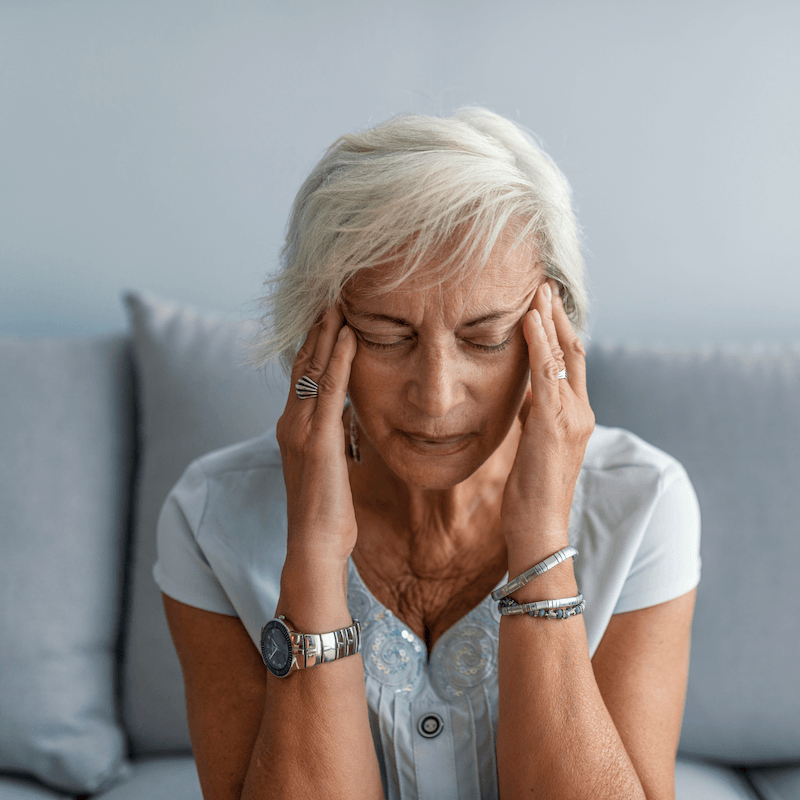
A migraine does not exclusively manifest as acute head pain; rather, a vestibular migraine predominantly impairs equilibrium, motion processing, and spatial orientation. We provide specialized assessments for recurring vertigo to determine if a vestibular migraine or a competing vestibular disorder is responsible. Identifying key clinical indicators and reviewing them with your doctor is essential for establishing an accurate, effective migraine treatment plan.
How Vestibular Migraines Differ From Standard Migraine Episodes
Vestibular migraine and regular migraine share identical disease mechanisms, but their most prominent physical symptoms vary significantly. Regular migraine attacks typically revolve around unilateral, throbbing head pain of moderate to severe intensity that increases with everyday motion. Patients frequently report concurrent symptoms including nausea, heightened light sensitivity, sound intolerance, and classical visual aura.
The primary presentation of vestibular migraine encompasses episodic vertigo, subjective dizziness, gait imbalance, and motion sensitivity. Concomitant headache may happen, but cephalalgia is not universally present across all vestibular flare-ups. An attack can involve subjective or objective rotational vertigo, dizziness aggravated by head turns, or discomfort in visually rich settings.
Qualifying vestibular events standardly run a time course extending from five minutes to 72 hours. Symptoms often vary in nature and intensity between separate attacks, obscuring the relationship to migraine compared to straightforward headaches.
What Factors Cause Vestibular Migraine Episodes?
Medical science recognizes that no single underlying disorder functions as the sole cause of vestibular migraine. This balance condition appears to reflect shared neurological circuits that modulate migraine signals and vestibular equilibrium data. Individual or hereditary migraine history, paired with lifelong motion sickness, substantially elevates clinical susceptibility.
Primary environmental and lifestyle triggers include:
- Disrupted sleep architecture or chronic sleep deprivation
- Skipping scheduled meals or experiencing acute dehydration
- High emotional stress levels or post-stress relaxation periods (“weekend migraine”)
- Menstrual fluctuations and other significant reproductive endocrine shifts
- High-contrast visual patterns, strobe effects, or glaring light environments
- Rapid vehicle motion, vestibular acceleration during transit, or digital screen scrolling
- Alcohol intake, fermented foods, cured meats, or idiosyncratic dietary sensitivities
- Barometric weather fluctuations, seasonal shifts, or compounded sensory overstimulation
Symptom Profiles: How Vestibular and Regular Migraines Present
Standard migraine attacks are conventionally diagnosed by cephalalgia, yet the clinical picture involves numerous non-pain symptoms. Clinical presentations frequently feature nausea, vomiting, visual aura, physical exhaustion, mental clouding, neck pain, and sensory hypersensitivity.
Vestibular migraine may include:
- Illusory rotational spinning or non-spinning disequilibrium
- Chronic postural instability, dysequilibrium, or sudden loss of balance
- Cervicogenic or vestibular dizziness exacerbated by head motion
- Motion-induced nausea or severe motion sickness
- Visual motion hypersensitivity when viewing digital displays, high-density crowds, or repetitive wallpaper
- Phantom perceptions of physical tilting, floating through space, rhythmic rocking, or being pulled sideways
- Sensory hypersensitivity involving photophobia, auditory intolerance, and visual overstimulation
- Paranasal or cranial pressure, tension sensations, or classic migraine-type headache
- Reversible ear fullness, localized acoustic pressure, or ringing in the ears
Analyzing episode frequency, duration, and precipitating factors helps differentiate vestibular migraine from competing inner ear pathologies. Any acute onset of dizziness accompanied by motor weakness, sensory numbness, dysarthria, diplopia, syncope, or profound ataxia requires emergency medical evaluation.
Concurrent Presentations: Can Vestibular and Regular Migraines Co-Occur?
Yes, clinical overlap is common. True rotational vertigo and classic migraine head pain can develop within the identical clinical attack. Vestibular symptoms may precede the headache as an aura, emerge during peak cephalalgia, linger after the pain resolves, or occur during entirely isolated episodes. It is common for individuals to alternate between attacks centered on severe headaches and episodes dominated by vestibular imbalance over several years.
A vestibular attack does not require concurrent cephalalgia to have a direct neurovascular migraine origin. Maintaining a dedicated symptom journal helps track chronological correlations that are easily overlooked during clinical consultations. Record the timing and duration of dizziness, headache features, sensory sensitivity, menstrual cycle, sleep, meals, possible triggers, medications, and response to treatment. This information can make an evaluation more precise.
How Physicians Evaluate and Confirm Vestibular Migraine
No standalone blood test, neuroimaging scan, or specialized vestibular test can independently prove vestibular migraine. The diagnostic pathway commences with an in-depth clinical interview regarding attack presentations and personal migraine history. Accepted diagnostic standards mandate documenting at least five moderate to severe vestibular attacks of five minutes to 72 hours duration, with migraine features accompanying at least half.
We may perform a neurological, eye-movement, ear, hearing, and balance examination. According to your symptom history, our providers may administer a diagnostic audiogram, positional maneuvers, vestibular diagnostic tests, or brain imaging. These evaluations provide the objective data needed to isolate or rule out alternative medical issues causing comparable dizziness. A formal diagnosis of vestibular migraine is established only when clinical criteria are satisfied and no alternative condition provides a better explanation.
What Treatments Are Available for Vestibular Migraines?
Clinical treatment is tailored to the individual, taking into account episode frequency, symptom severity, headache presence, coexisting health conditions, and drug tolerances. Patients generally experience the most robust improvement by utilizing both daily prophylactic strategies and targeted abortive medications during flares.
Our clinical providers outline a personalized therapeutic plan comprising:
- Establishing structured daily routines for sleep, timely meals, fluid intake, and low-impact cardiovascular exercise
- Identification and reduction of consistent personal triggers
- Integrating mindfulness, cognitive behavioral therapy, or structured stress-reduction techniques
- Medication for nausea or other acute symptoms
- Controlled, short-term administration of vestibular suppressants during acute, disabling attacks
- Prophylactic pharmaceuticals including beta-blockers, calcium channel antagonists, topiramate, selected SNRIs/tricyclics, or CGRP antagonists
- Specialized vestibular rehabilitation therapy (VRT) to resolve chronic motion hypersensitivity and balance deficits
We prescribe vestibular suppressants conservatively, given that regular consumption causes sedation and delays the brain’s natural compensation mechanisms. All prescription decisions must be established alongside our clinical team rather than borrowed from someone else’s treatment protocol. Clinical stabilization often involves gradual pharmacological adjustments alongside diligent, long-term symptom logging.
Schedule a Vestibular Migraine Evaluation
If recurring vertigo, motion sensitivity, or imbalance is disrupting daily life, schedule an evaluation with us. The initial visit features an in-depth review of migraine history, health factors, and therapeutic aims, paired with diagnostic exams to rule out BPPV, Ménière’s disease, and competing vestibular conditions. Reach out to our specialized medical team to request your vestibular migraine evaluation.
