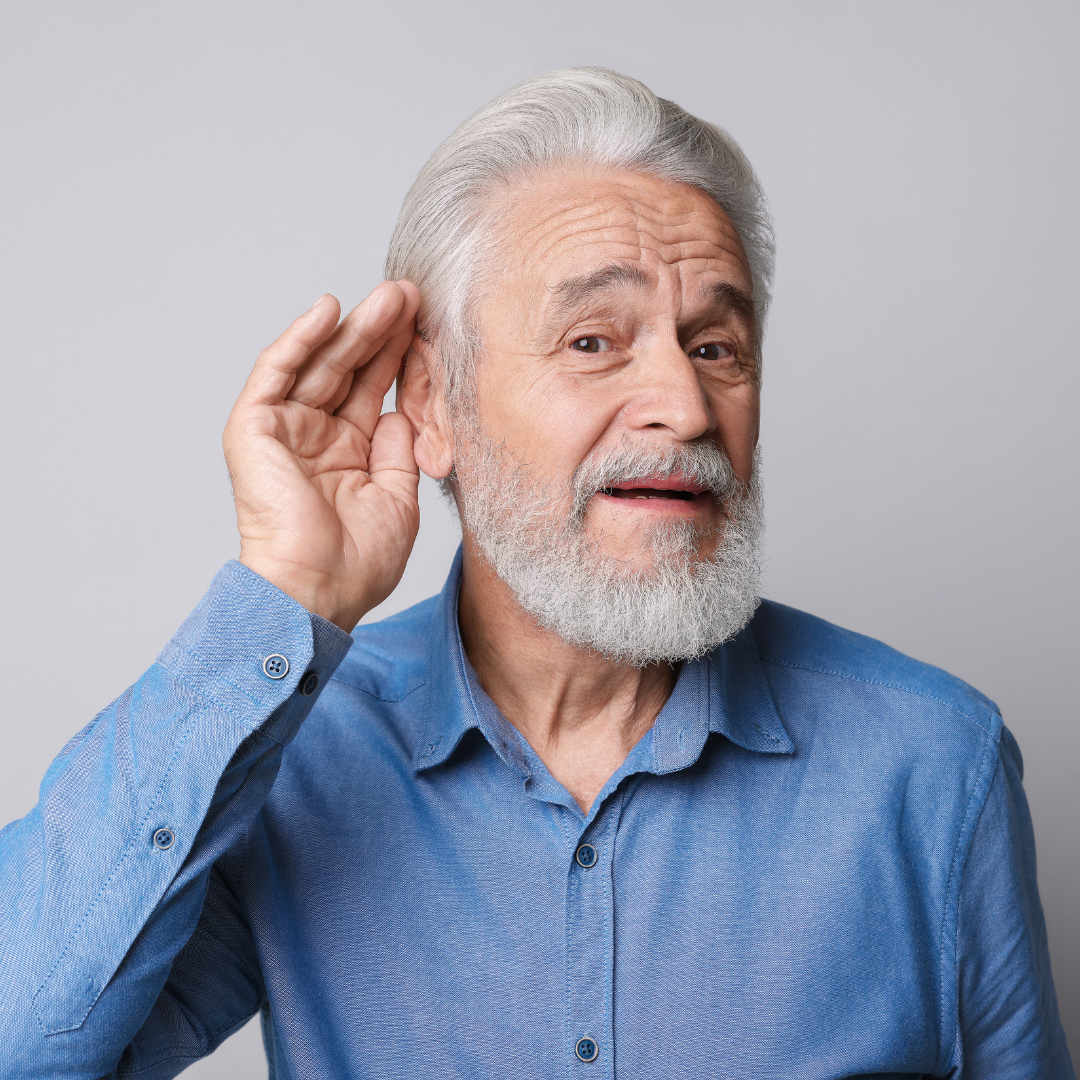
Experiencing a rapid decline in hearing in a single ear is a distressing event that creates understandable uncertainty. Our clinical team conducts same-day diagnostic hearing evaluations and streamlines collaborative medical care following sudden auditory changes. An acute sudden hearing loss demands prompt evaluation by an audiologist or ENT physician to initiate time-sensitive medical care or auditory rehabilitation.
Is Sudden Deafness in One Ear Considered a Medical Emergency?
Yes, unequivocally. Sudden hearing loss in a single ear demands immediate emergency medical care, particularly when symptoms progress within a few hours or days. Clinically termed sudden sensorineural hearing loss or sudden deafness, this condition originates within the delicate inner ear or cochlear nerve pathways. Because it rarely causes localized otalgia, individuals frequently misinterpret the sudden loss as middle-ear congestion or a cerumen plug.
Typical warning signs include:
- A sudden degradation of hearing volume or clarity affecting a single ear
- Struggling to decipher telephone conversation when holding the receiver to the affected ear
- Sensation of an internal ear pop or mounting aural pressure right before hearing diminishes
- The abrupt emergence of ringing, static buzzing, or roaring tinnitus on the affected side
- Concomitant dizziness, spatial disorientation, or true spinning sensations
Do not wait for hearing to restore on its own. Contact our audiology practice, an emergency department, or an ear, nose, and throat physician for immediate same-day direction.
The Urgency of Immediate Professional Evaluation for Sudden Deafness
Timely clinical evaluation is critical because therapeutic interventions for sudden sensorineural hearing loss demonstrate the highest success rates when started early. Our immediate task involves verifying whether the impairment is conductive due to wax or middle-ear effusion, or sensorineural originating within the sensory organ or auditory nerve. While conductive and sensorineural losses can feel virtually identical to the patient, they mandate entirely different clinical therapies.
High-magnification otoscopy paired with a pure-tone diagnostic hearing test defines the precise category, pattern, and magnitude of your auditory deficit.
Obtain urgent emergency medical evaluation without delay if sudden hearing loss is accompanied by:
- Acute facial nerve weakness, asymmetrical drooping, or numbness
- Inability to formulate words, sudden mental confusion, or a severe, atypical headache
- Diplopia (double vision), syncope (fainting), or severe gait ataxia
- Crushing chest pressure or other life-threatening medical signs
Such clinical findings often indicate an urgent vascular or central neurological emergency that cannot wait for an outpatient appointment.
What Causes Sudden Deafness in One Ear?
In most cases of sudden sensorineural hearing loss, no definite cause is found. When a cause can be identified, it may involve inflammation, injury, circulation, the immune system, or another condition affecting the inner ear or auditory nerve.
Documented causes of this condition include:
- Acute infections of viral or bacterial origin
- Blunt head trauma, concussive injury, or acute acoustic trauma
- Diagnosed autoimmune disorders affecting the inner ear sensory systems
- Exposure to prescription ototoxic medications that harm cochlear hair cells
- Localized microvascular occlusions or compromised blood circulation
- Peripheral inner ear pathologies such as classic Ménière’s disease
- Central neurological pathologies including multiple sclerosis
- A benign retrocochlear growth, such as an acoustic neuroma on the auditory nerve
Because presenting symptoms cannot reliably differentiate these underlying etiologies, immediate otologic examination and audiologic testing are imperative.
Evidence-Based Therapies for Sudden Sensorineural Hearing Loss
High-dose corticosteroids serve as the primary first-line medical therapy when sudden sensorineural hearing loss presents without an identifiable cause. Corticosteroids can be ingested orally or injected through the eardrum into the middle ear cavity, allowing medication to permeate the round window membrane. Treatment decisions are formulated in collaboration with our team, carefully weighing post-onset timing, loss severity, medical contraindications, current medications, and pharmacological risks.
Medical evidence supports initiating steroid treatment within the first two weeks, underscoring the necessity of immediate clinical intervention. Providers may advise intratympanic steroid injections as an aggressive salvage therapy if oral treatment produces incomplete hearing restoration. For qualifying clinical cases, an ENT physician may evaluate hyperbaric oxygen therapy (HBOT) administered concurrently with high-dose steroids.
Can Sudden Hearing Loss in One Ear Go Away on Its Own?
It is clinically possible for sudden sensorineural hearing loss to improve without active medical care. Literature indicates that approximately 50 percent of patients recover some or all hearing spontaneously, frequently within the first one to two weeks. Still, there is no clinical way to predict at symptom onset who will experience spontaneous recovery, how much hearing will be regained, or whether stability will persist.
The possibility of spontaneous recovery is not a reason to delay care. Treatment becomes less likely to reverse permanent loss when it starts weeks after the change, so waiting may close an important treatment window. Auditory outcomes differ substantially among patients, ranging from full recovery to partial or minimal improvement.
Long-Term Solutions When Sudden Hearing Loss Does Not Recover
If auditory recovery is incomplete following treatment, clinical planning depends on remaining hearing levels, single-ear speech understanding, and comprehensive diagnostic imaging. Our team may order a dedicated internal auditory canal magnetic resonance imaging (MRI) scan or an auditory brainstem response (ABR) evaluation to assess the vestibulocochlear nerve and cerebellopontine angle.
Longer-term options may include:
- Fitting a conventional prescription hearing aid if the affected ear retains sufficient residual hearing
- Utilizing a CROS hearing aid system designed to stream acoustic signals from the impaired ear to the normal-hearing ear
- An osseointegrated bone-conduction hearing system or bone-anchored hearing device for qualifying candidates
- A cochlear implant evaluation for patients presenting with profound single-sided deafness
- Tailored assistive listening systems to improve communication across work, academic, or social settings
Audiologic rehabilitation can also address listening fatigue, sound localization, and communication difficulties. The most suitable option depends on the hearing test results, daily needs, health history, and personal preferences.
Contact Us for an Urgent Hearing Assessment
When hearing changes abruptly today or within the preceding few days, obtain same-day medical advice rather than scheduling a routine visit. We can perform diagnostic hearing testing, compare both ears, review when the change began, and coordinate with an ear, nose, and throat physician or another medical provider when necessary.
Reach out to our team immediately to request a prompt diagnostic hearing evaluation.
